Kestävyyden lisäksi puinen riisilusikka on myös lämmönkestävä. Se kestää korkeita lämpötiloja ilman vääntymistä tai sulamista, varmistaen turvallis...
Katso yksityiskohdatA cutting board sits in an odd, useful spot in the kitchen. It gets used almost daily, but it also spends plenty of time leaning against a wall or propped up on a counter where everyone can see it. That combination — constant use plus constant visibility — is exactly why it has become one of the most requested items for engraving and custom branding.
Unlike a mug or a t-shirt, a cutting board has a flat, generous surface that takes detail well. Names, dates, illustrations, even a full paragraph of handwriting can be etched into the wood without looking cramped. It also doubles as a serving piece, so a personalized board often ends up on the table during dinner parties rather than tucked away in a drawer.
That's part of why bamboo cutting boards built for daily kitchen use show up so often in wedding registries, corporate gifting, and small-batch product lines. The board has to perform in the kitchen first, and look good doing it second.
The best designs usually start with the occasion rather than the wood. Once you know what the board is for, the design direction tends to follow naturally.
One detail that's easy to overlook: where the design sits on the board affects whether it survives daily use. A design placed dead-center on the cutting surface will get sliced through within weeks. Most personalized boards keep the artwork toward one edge or on a side that's meant for display rather than chopping.
Not every wood takes engraving the same way. Grain pattern, hardness, and color contrast all affect how crisp the final design looks, and how long it stays legible after repeated washing.
| Wood Type | Engraving Detail | Hardness | Best For |
|---|---|---|---|
| Bamboo | Clean, moderate detail | High | Everyday boards, logos, simple text |
| Walnut | Excellent contrast and detail | Medium | Monograms, illustrations, gift boards |
| Maple | Good detail, lighter contrast | High | Fine text, recipe engravings |
| Acacia | Moderate, grain can interrupt fine lines | Medium-high | Rustic designs, larger lettering |
For a deeper look at how different species compare beyond engraving — density, moisture resistance, and overall durability — a guide to which wood types suit different tableware uses breaks down the tradeoffs in more detail.
Most personalized boards today come from one of two processes. Laser engraving burns the design into the surface with a controlled beam, producing sharp, consistent lines that hold up well over years of use. It's the standard method for anything with fine text or detailed artwork.
The alternative — stenciling with a vinyl cutout and wood-burning pen or marker — works fine for simpler designs and DIY projects, but it's harder to keep perfectly even by hand, and the result tends to be less crisp on close inspection.
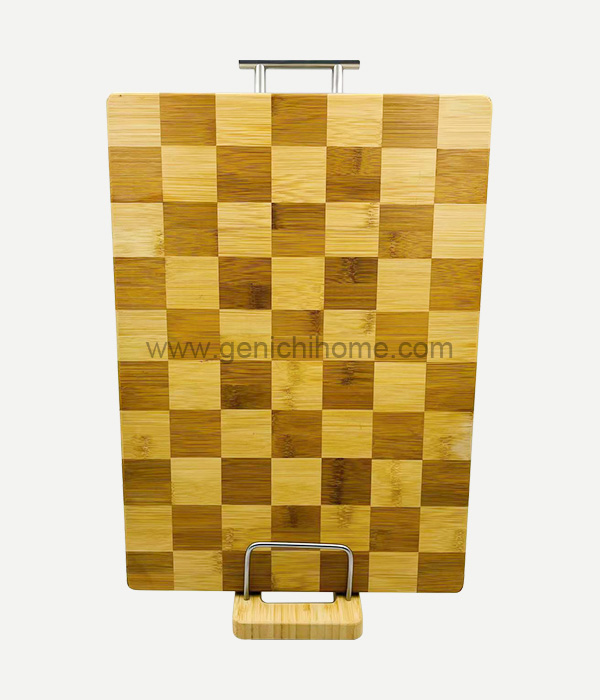
For businesses or anyone ordering in volume, customization usually extends beyond the engraving itself. Packaging branding, consistent logo placement across a batch, and matching sizes all matter more at scale than for a single gift board. A checkerboard-pattern board that supports custom logo printing on packaging shows what that kind of batch customization looks like in practice — consistent sizing, repeatable branding, and finishes that hold up to OEM order volumes.
An engraved design changes how a board should be used, not just how it looks. The engraved area is slightly more porous than the surrounding wood, since the burn process opens up the surface fibers. That makes it more prone to staining and moisture absorption if it's treated like an ordinary cutting surface.
Most people solve this by designating one side for display and the other for actual cutting — engrave the front, prep food on the back. If the design has to share space with the cutting surface, keeping food prep toward the opposite edge extends its life considerably.
Standard wood care still applies underneath all of this: hand wash only, dry immediately rather than air-drying flat, and apply food-grade mineral oil periodically to keep the wood from drying out around the engraved lines. Step-by-step cleaning and disinfection tips for a new cutting board cover the basics in more depth, and they apply just as much to an engraved board as a plain one — the engraving just means a little more care around that one section.
Done right, a personalized board doesn't just survive years of use — the engraving tends to age into the wood, picking up a slightly deeper patina that makes it look more intentional, not less.
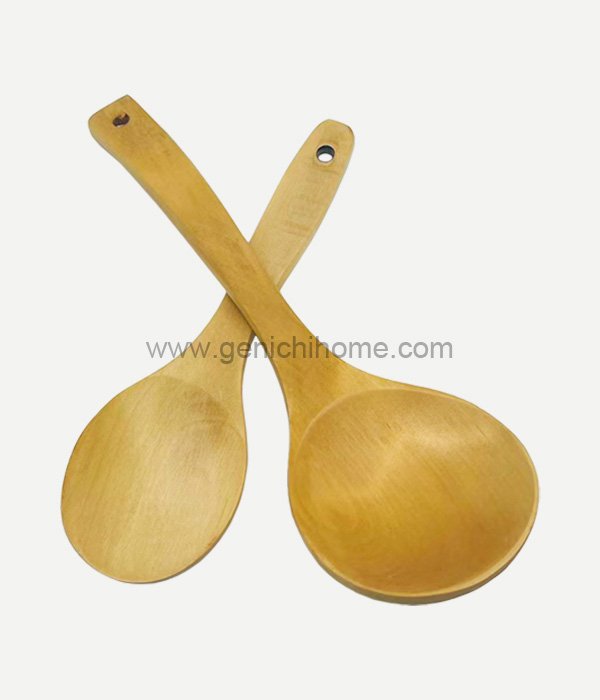
Kestävyyden lisäksi puinen riisilusikka on myös lämmönkestävä. Se kestää korkeita lämpötiloja ilman vääntymistä tai sulamista, varmistaen turvallis...
Katso yksityiskohdat
Leikkuulaudallamme on kohtalainen paksuus, joten keittiön tilaa on helppo käyttää ja tehokkaasti hyödyntää. Se ei ole vain kovin sopiva luiden leik...
Katso yksityiskohdat
Valkosipulin puntimme on valmistettu mahonki -materiaalista niiden kestävyyden ja elinajan varmistamiseksi. Uskomme vakaasti, että valkosipulin pou...
Katso yksityiskohdat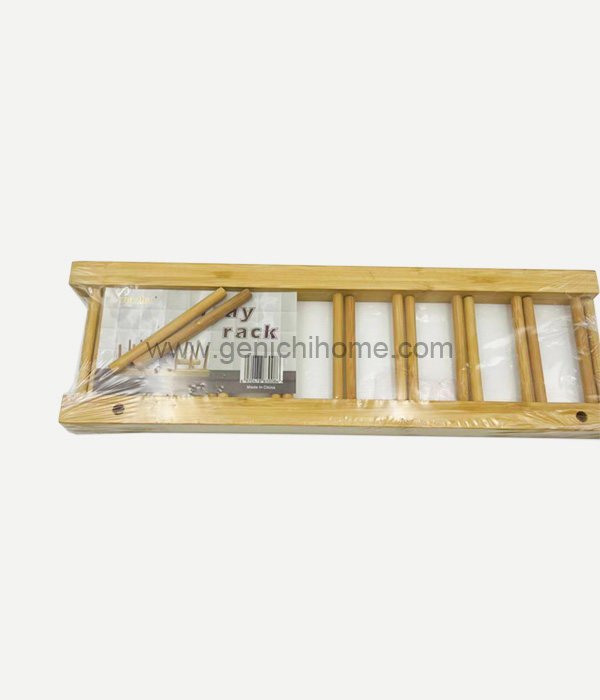
Tässä tyhjennystelineessä on 8 osastoa varastointia varten, ja kokoonpanoprosessi on erittäin kätevä. Se on kokoinen pieni ja vie vähemmän tilaa, m...
Katso yksityiskohdatOta yhteyttä
Address: Huone 1805, viestintäpalvelun teollisuuspuisto, nro 183, Wenhui Road, Gongshu District, Hangzhou City, Zhejiangin maakunta
E-mail: [email protected]
Nopea linkit